
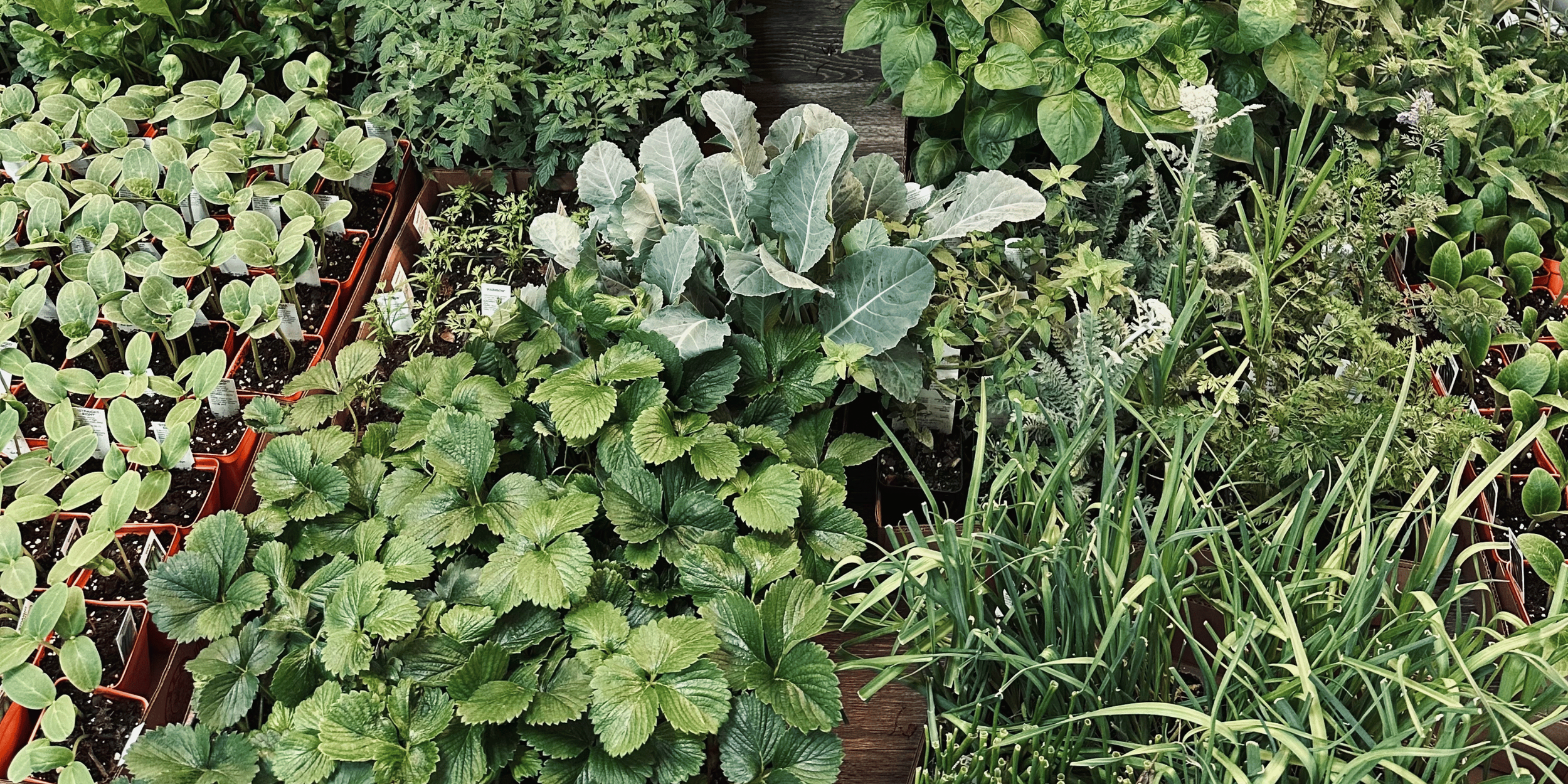
Bilingual Plant Library
Working in a high tunnel on our development, we planted starters from the South Dakota State University Native Plant Initiative to cultivate culinary, medicinal, and spiritual plants for our people.
Check back on this page to as we add more plant relatives!
Learn more about the traditional plants we nourish
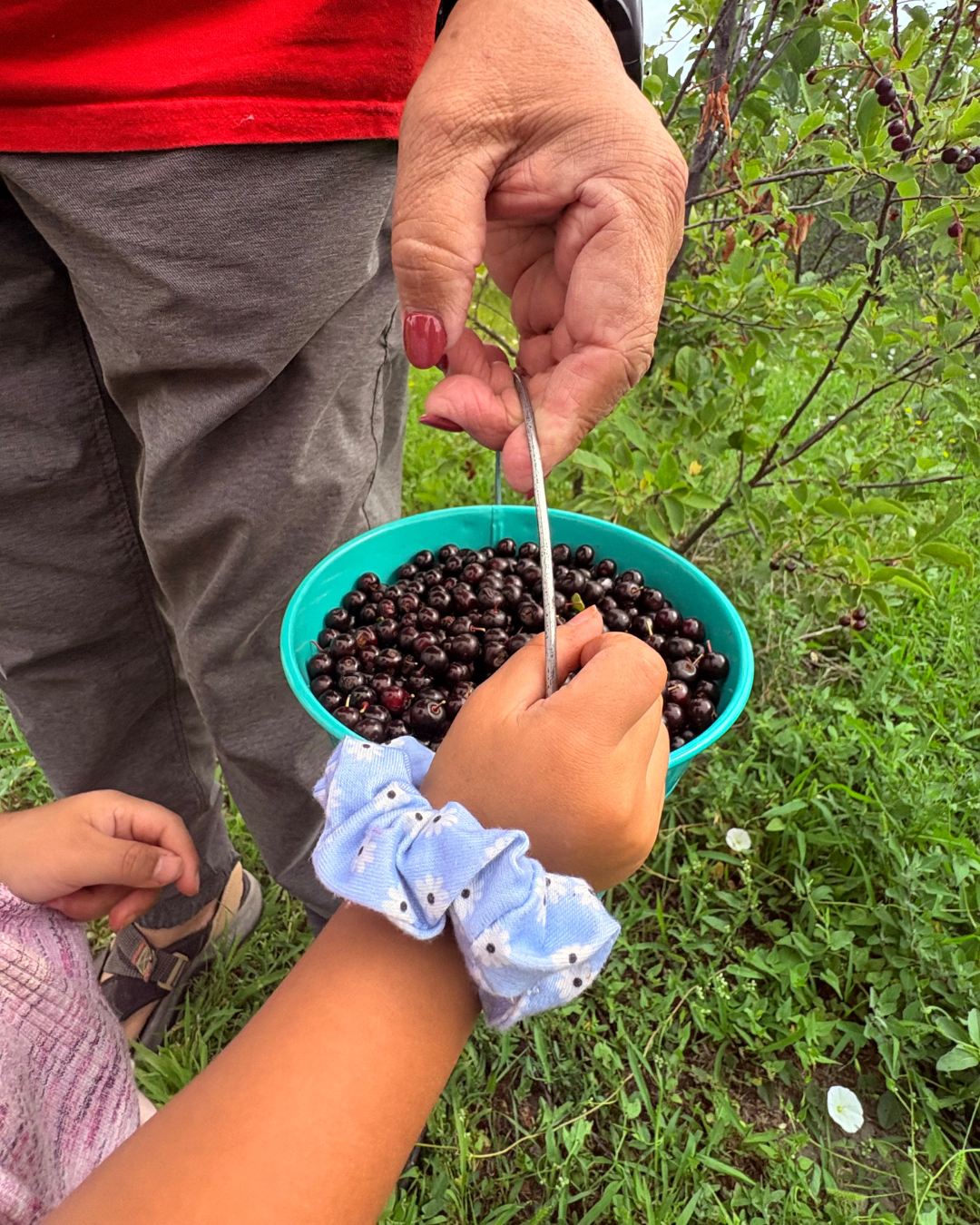
Ċaŋṗa - Chokecherries
This traditional food source is so important that the month of our lunar calendar is called Ċaŋṗasapa Wi, Ripe Chokecherry moon.
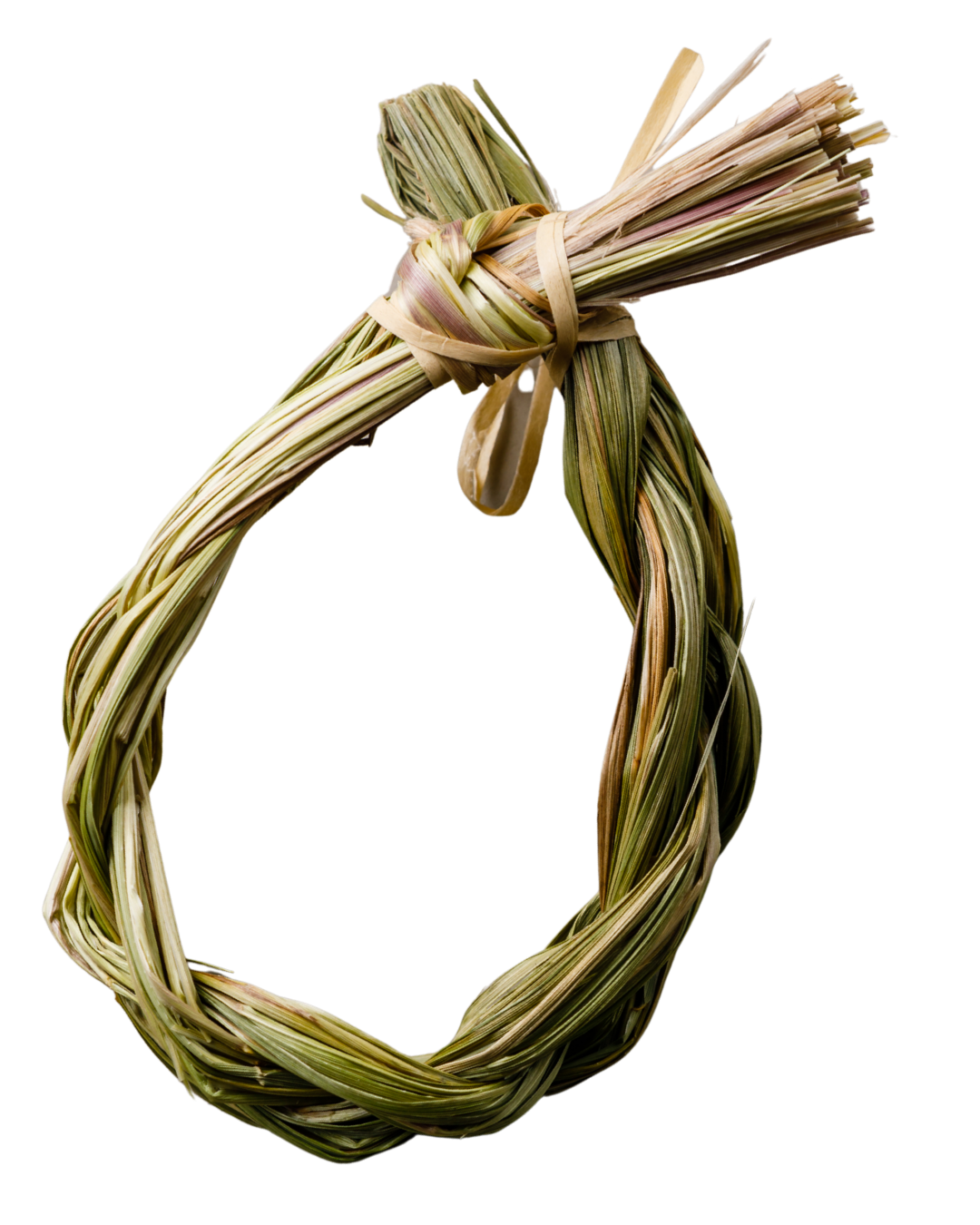
Waċaŋġa - Sweetgrass
Waċaŋġa has a distinctly sweet smell. After drying, it is tied into its signature braids.
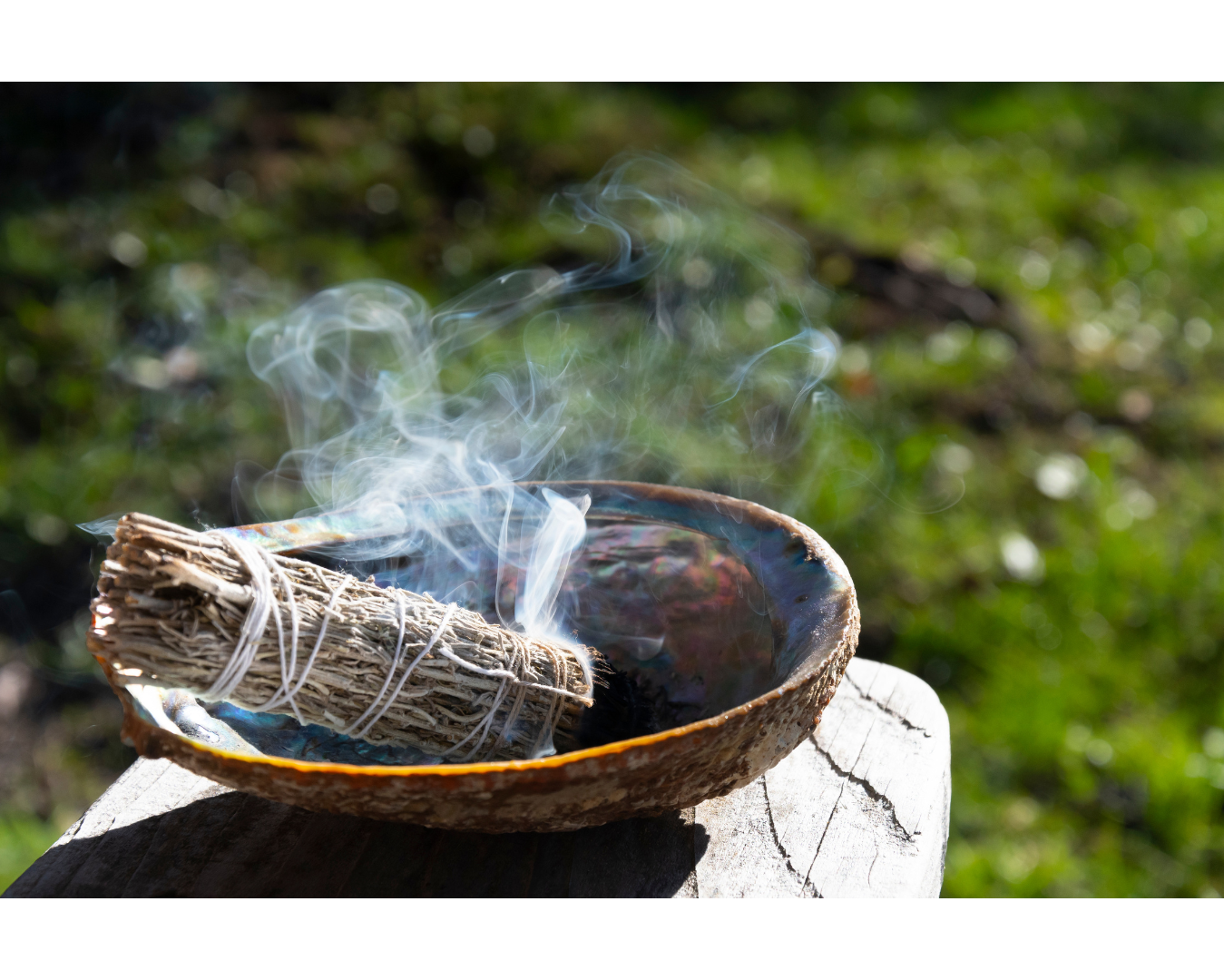
Ṗejiḣot̄a - Sage
Ṗejiḣot̄a (Sage) is used in each of our ceremonies and just about everyday. Mostly used to Azilya (smudge), it is also used for cooking.
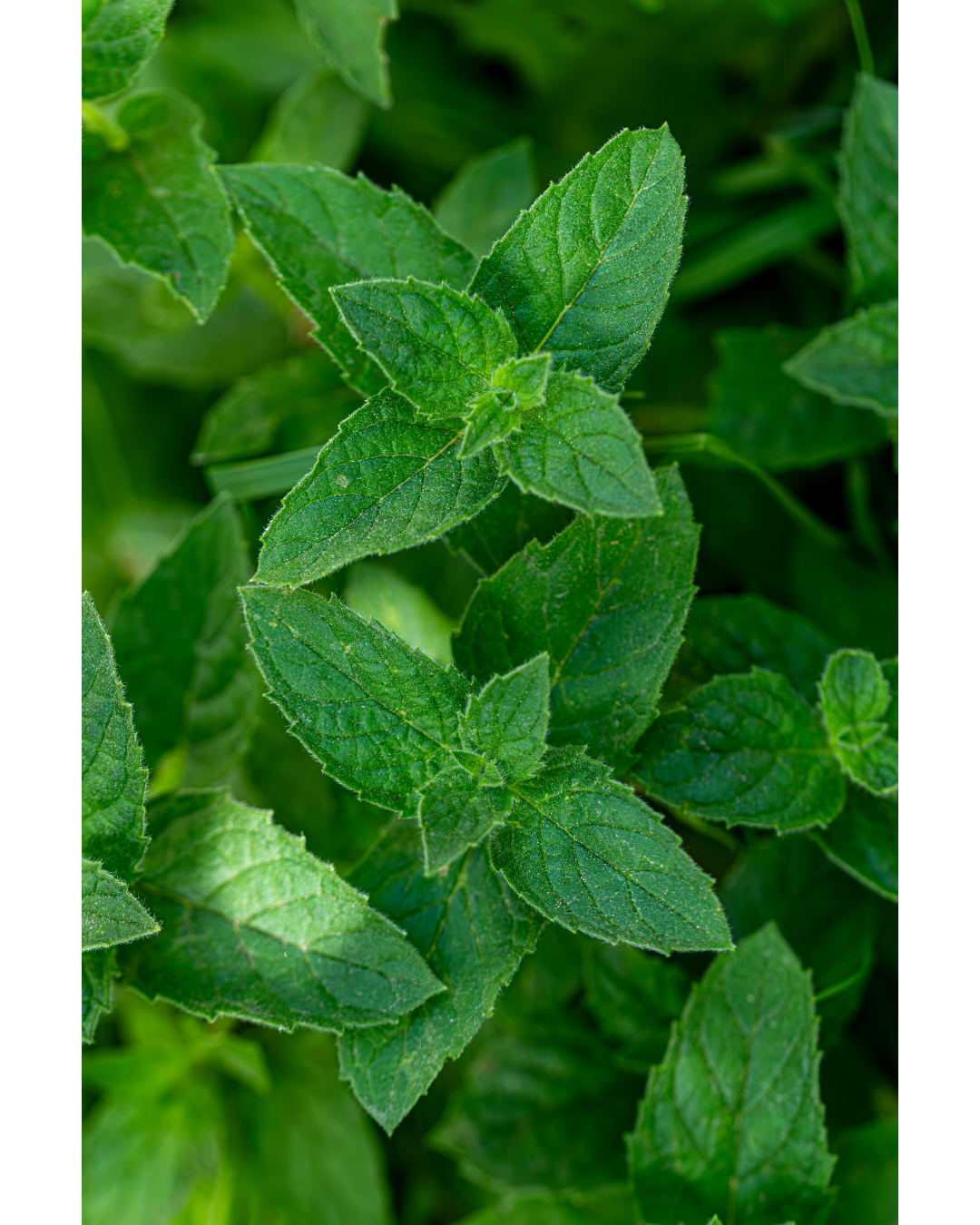
Ċeyak̄a - Mint
Made into Waḣp̄e (tea), especially on cold winter nights. Growing by waterways, Ċeyak̄a can help an unsettled stomach or just brighten your day.
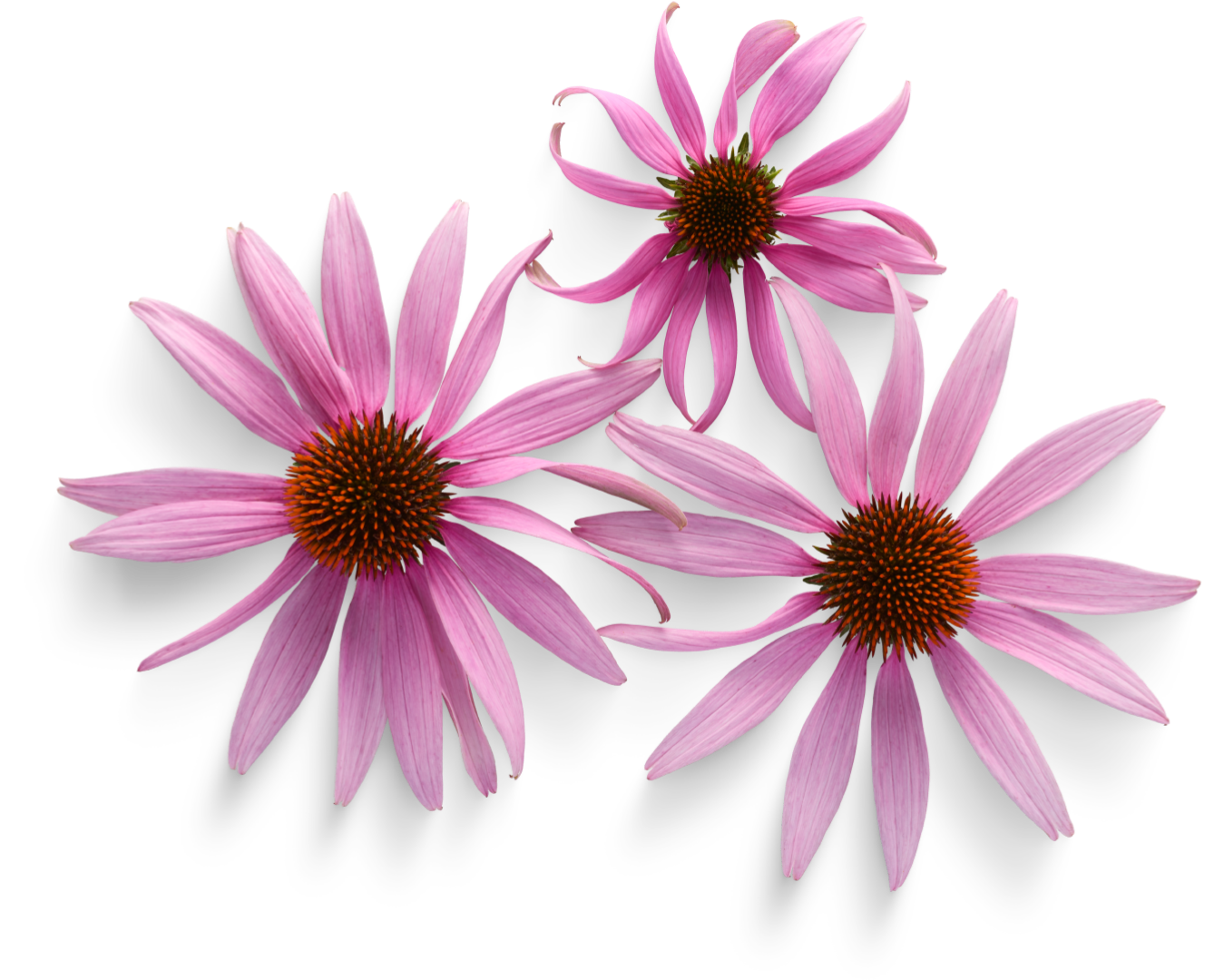
Iċaḣp̄e hu - Echinacea
Echinacea is widely used for its immunity-boosting, anti-viral and anti-microbial properties, and its ability to reduce inflammation. Every part of the plant can be used medicinally, but we recommend collecting either flowers and stems or just the roots from any one plant to allow them to grow back.
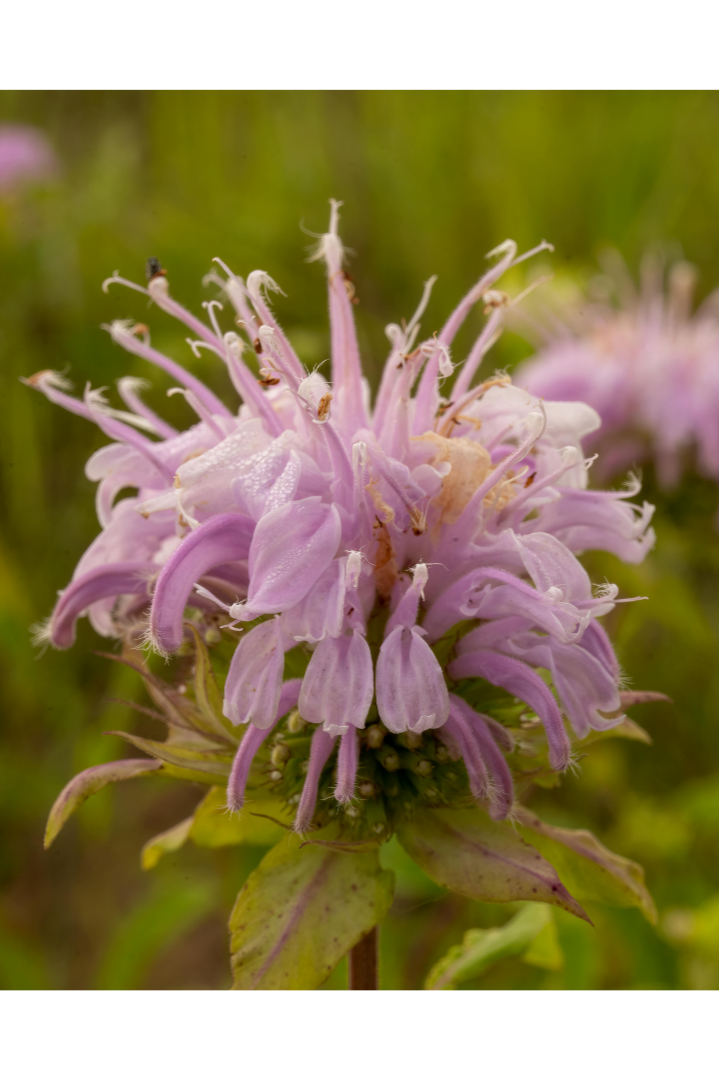
Waḣp̄e waṡt̄emna - Bergamot
Known for its pleasant smell, Waḣp̄e waṡt̄emna (also called Bee Balm or Wild Bergamot) has is used for medicine and ceremony.
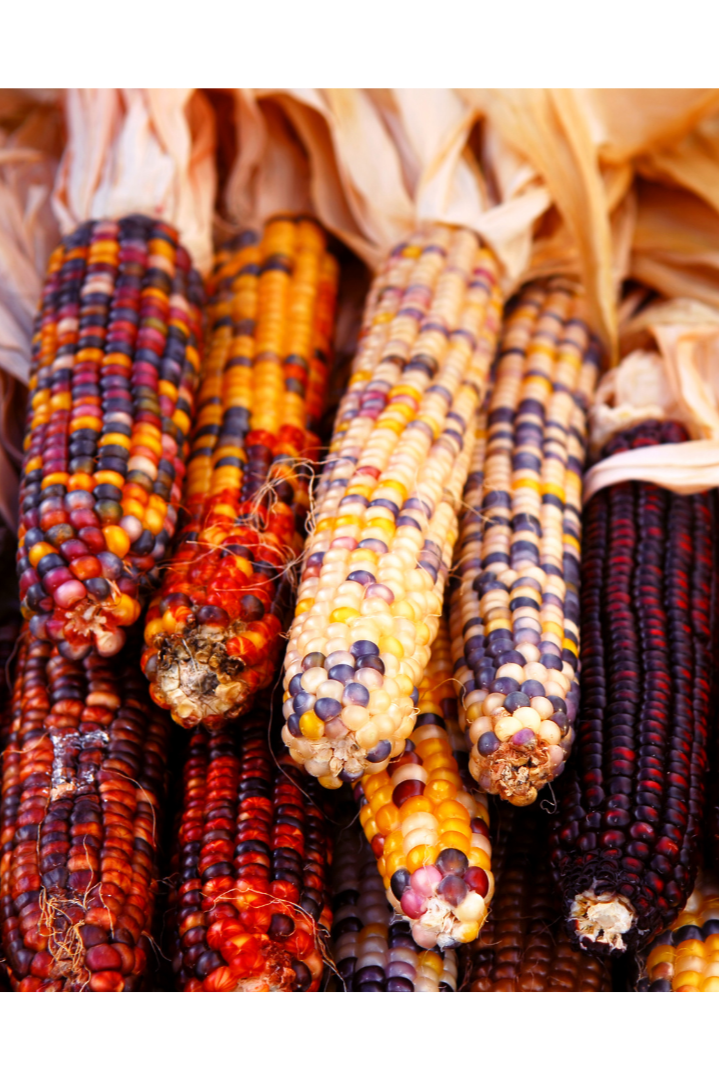
Wagmiza - Corn
Factory farming of corn covers more than 95 million acres across the United States, but our people’s history with this plant is far longer than even the existence of this colonial state. Cultivated for generations beyond counting, Wagmiza is used in wasna, our traditional spiritual foods.